Executive Profile
I specialize in transforming complex mathematical physics and artificial intelligence into secure, high-precision software solutions for the medical and MedTech industries. Backed by an international career in advanced research and development, I design next-generation technologies that enhance clinical capabilities and improve patient outcomes. My work focuses on three core pillars: building secure, completely offline AI assistants for clinical decision support, developing high-resolution 3D medical imaging and automated organ mapping tools, and creating advanced software simulations for non-invasive therapies like therapeutic ultrasound (HIFU). I bridge the gap between breakthrough scientific innovation and reliable, market-ready medical technology.
Key Technical Deliverables
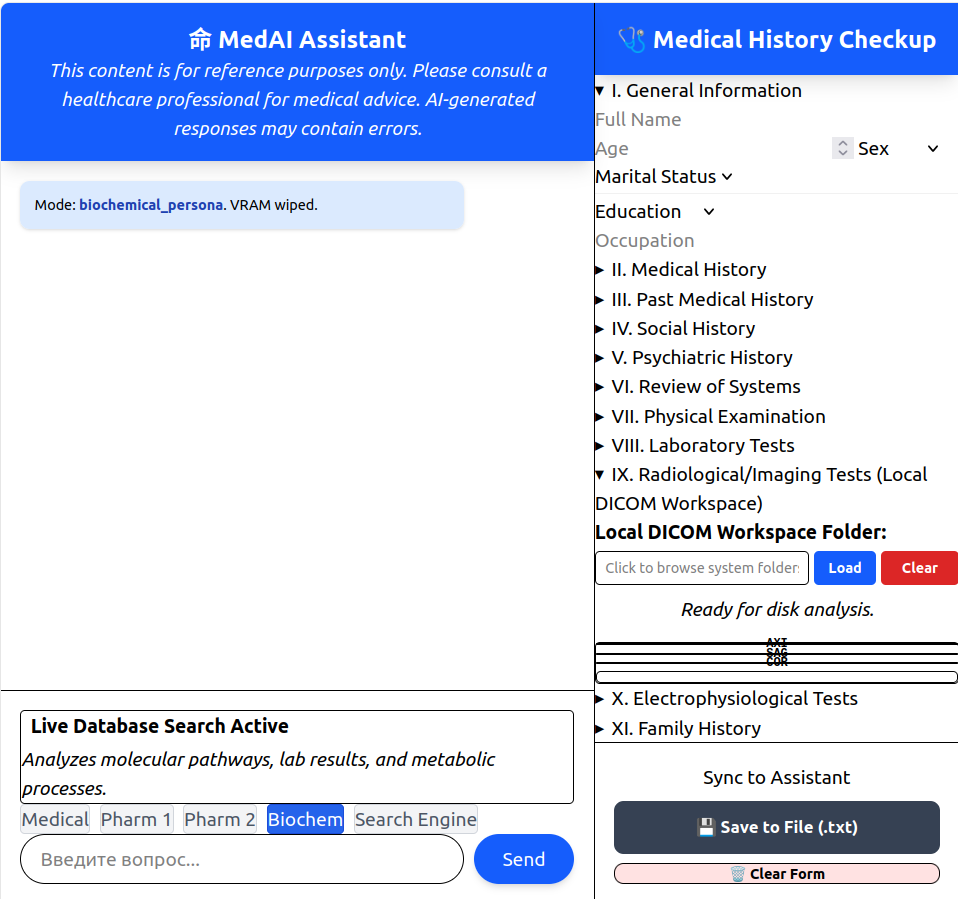
Generative AI & RAG Engineering
- Architected end-to-end pipelines powered by LLMs, transformers, and vector databases to build expert clinical decision support systems (CDSS).
- Engineered entirely to run locally on low-overhead hardware. To protect corporate IP weights and enforce strict privacy, the core model execution loop operates exclusively offline under a zero-trust architecture.
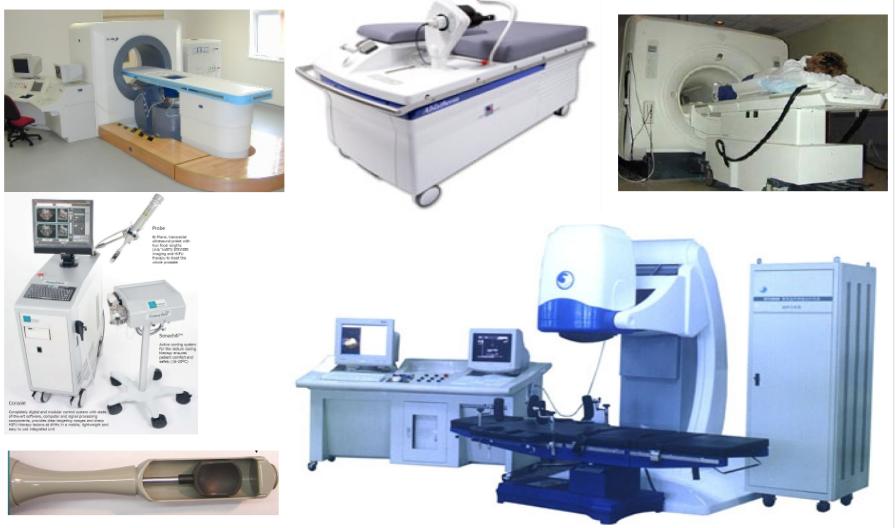
Medical Ultrasound & Therapeutics (HIFU)
- Designed non-invasive modeling platforms for high-intensity focused ultrasound ablation targeting deep tumors without damaging surrounding tissue matrix elements.
- Solved non-linear sound propagation anomalies and acoustic dispersion profiles across highly heterogeneous soft anatomical structures.
⚡ View Mathematical Framework
Field equations for calculation anomalous acoustic absorption using fractional dynamics and memory-dependent structural parameters.
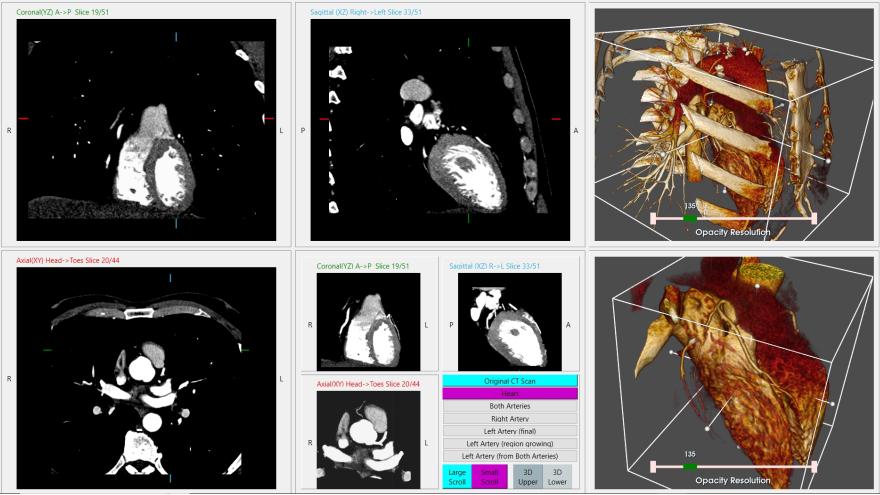
Advanced Computer Vision & 3D Imaging
- Building highly GPU-optimized heterogeneous C++ libraries for autosegmentation, 3D reconstruction, and automatic internal organ geometry correction using CT/MRI scans.
- Deployed specialized neural network architectures including U-Net and SegResNet variations for automated volumetric analysis.
Project Inquiries
- Operational Email: myworldtoosmall@gmail.com